Understanding Solar Systems: Panels, Batteries, Inverters, and How They Work Together
A solar power system is made up of several key components that work together to produce reliable electricity. Understanding these components helps users make informed decisions when investing in solar energy solutions.
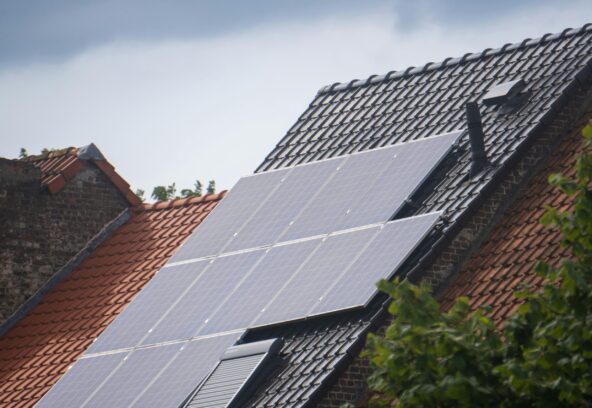
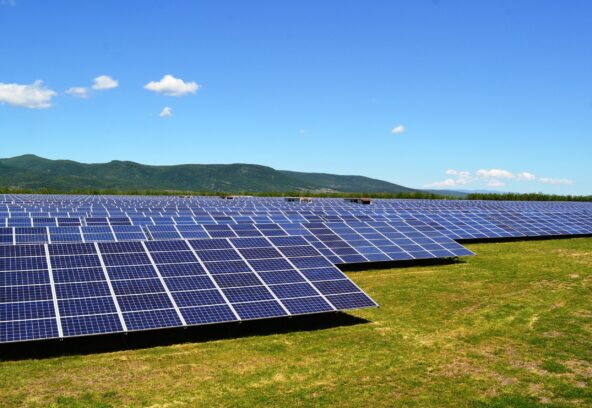
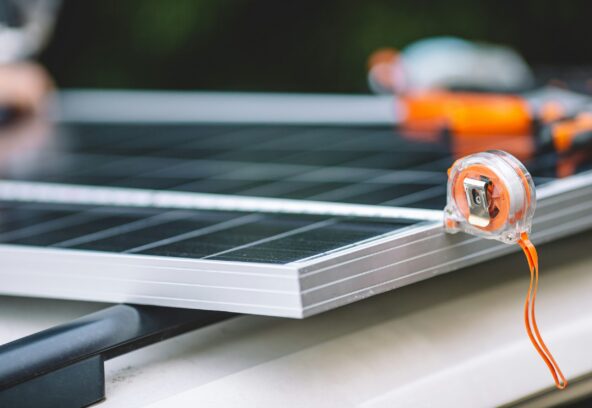
Solar panels are the starting point of any system. They capture sunlight and convert it into direct current (DC) electricity. The efficiency and quality of the panels directly influence how much energy the system can generate. High-quality panels ensure consistent power production even under varying weather conditions.
The inverter plays a critical role by converting DC electricity from the panels into alternating current (AC), which is used by household appliances and business equipment. A reliable inverter ensures stable power supply, efficient energy conversion, and smooth system operation.
Solar batteries store excess energy produced during the day for use at night, during outages, or when demand is high. Batteries enhance energy reliability and reduce dependence on the grid. When combined, panels generate energy, inverters manage power conversion, and batteries store electricity—creating a complete system that delivers clean, dependable power when it is needed most.